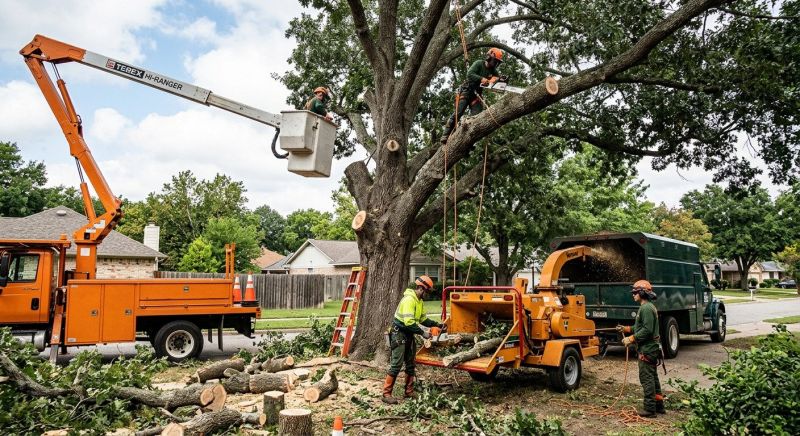
Dead Tree Removal in Bucks County, PA
Dead tree removal services involve the safe and efficient removal of trees that are dead, dying, or pose a risk to property or safety. This type of project typically includes assessing the tree’s condition, planning the best approach for removal, and then carefully cutting and removing the tree and its debris. Property owners often request this service when a tree has become hazardous due to disease, decay, or storm damage, or when clearance is needed for construction, landscaping, or safety reasons.
Before requesting dead tree removal, homeowners should consider the location of the tree, nearby structures, and any potential obstacles that could affect the removal process. It is also useful to understand whether permits are required for removal in the area and to identify if the tree is close to power lines or other utilities. Proper planning ensures that the removal is conducted safely and with minimal disruption to the surrounding property.
Many property owners in Bucks County, PA look into Dead Tree Removal for repairs, replacements, upgrades, and appearance-related improvements.
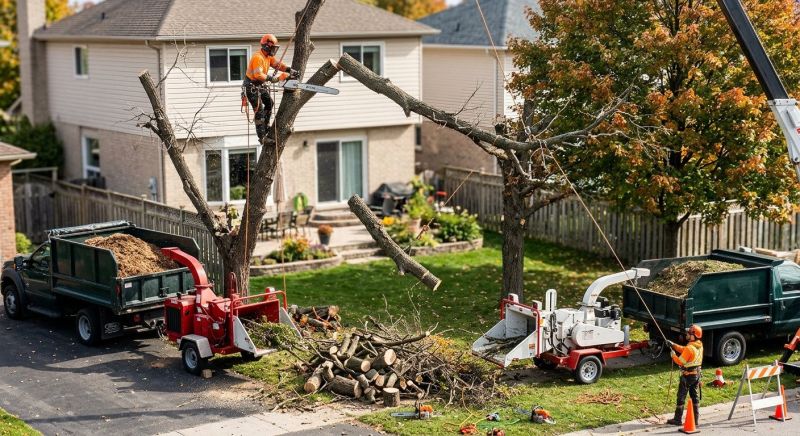
Safe Tree Removal
Removing dead trees helps prevent potential hazards on residential and commercial properties in bucks county.
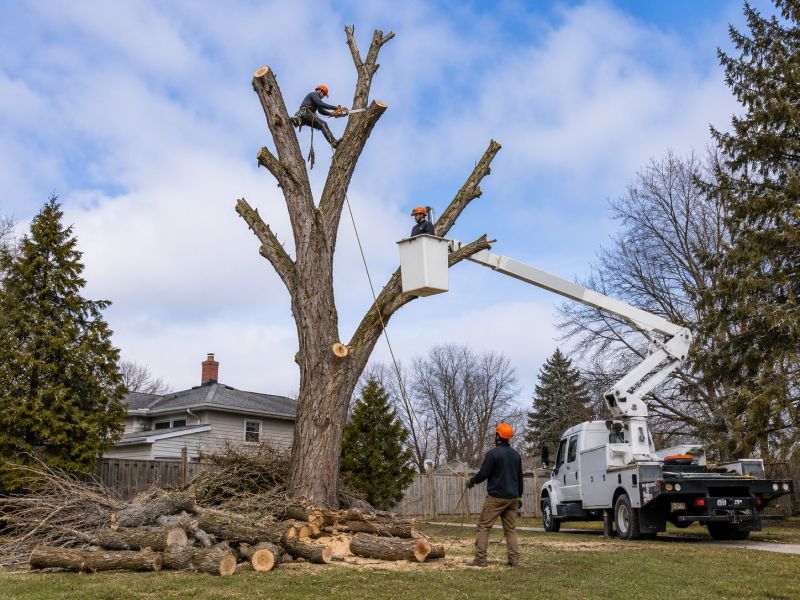
Property Maintenance
Dead tree removal can improve the appearance and health of your landscape.
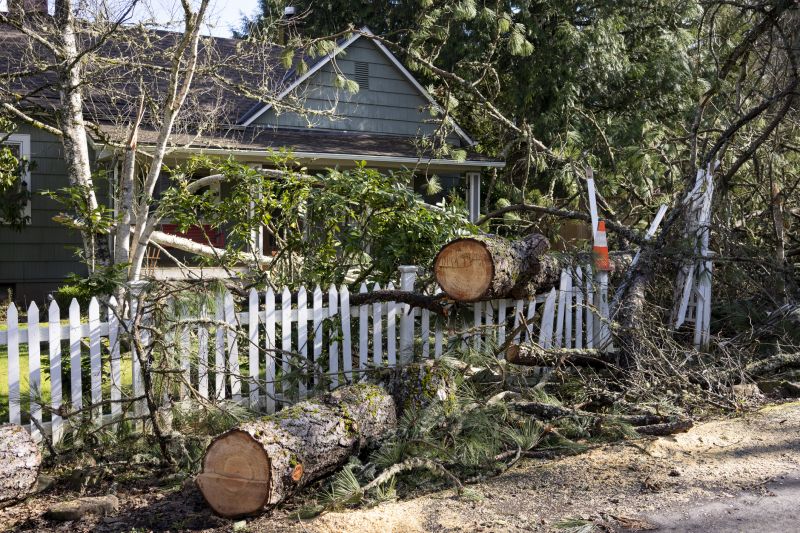
Preventing Damage
Removing hazardous trees reduces the risk of damage to structures and nearby trees during storms or high winds.
Dead Tree Removal in Bucks County, PA
Dead tree removal services involve the safe and efficient removal of trees that are dead, dying, or pose a risk to property or safety. This type of project typically includes assessing the tree’s condition, planning the best approach for removal, and then carefully cutting and removing the tree and its debris. Property owners often request this service when a tree has become hazardous due to disease, decay, or storm damage, or when clearance is needed for construction, landscaping, or safety reasons.
Before requesting dead tree removal, homeowners should consider the location of the tree, nearby structures, and any potential obstacles that could affect the removal process. It is also useful to understand whether permits are required for removal in the area and to identify if the tree is close to power lines or other utilities. Proper planning ensures that the removal is conducted safely and with minimal disruption to the surrounding property.
Many property owners in Bucks County, PA look into Dead Tree Removal for repairs, replacements, upgrades, and appearance-related improvements.
Common Dead Tree Removal Jobs
Dead tree removal involves safely cutting down and removing hazardous or unwanted trees from residential properties.
Storm-damaged tree removal addresses trees that have fallen or are at risk of falling during severe weather events.
Uprooting and stump removal clears the entire tree and its root system to prevent future issues and improve yard safety.
Emergency dead tree removal provides urgent services for trees posing immediate safety threats after storms or accidents.
Selective tree removal targets specific dead or diseased branches or trees to maintain landscape health and aesthetics.
Hazard tree assessment evaluates the stability and condition of dead or dying trees to determine the need for removal.
Dead Tree Removal Questions
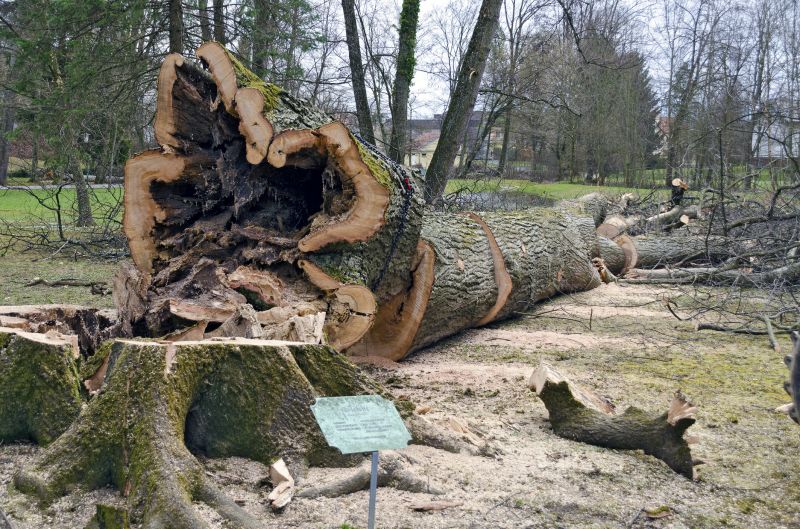
Why remove a dead tree? Dead trees can pose safety hazards and may cause damage to nearby structures or landscaping if they fall.
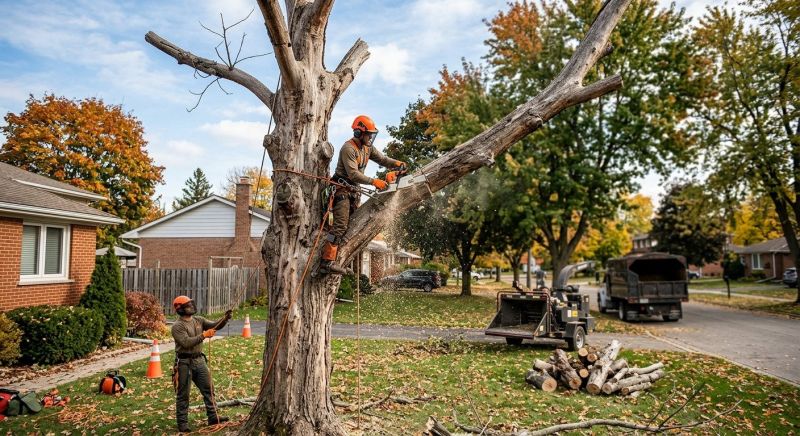
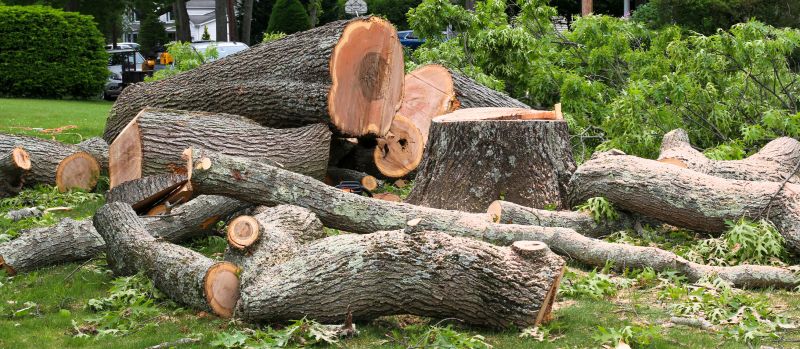
How is a dead tree removed? The process involves cutting down the tree, removing the debris, and sometimes grinding the stump for a clean finish.
When is the best time for dead tree removal? Dead trees can be removed at any time of year, but it’s often best to address them promptly to prevent potential hazards.
Will removal affect nearby plants or landscape? Proper planning minimizes impact on surrounding vegetation and ensures the landscape remains intact after removal.
Request Dead Tree Removal in Bucks County, PA
Use the quote form on this page to share the basics of your project and request more information for the type of work you need.