Get Tree Canopy Thinning
Tree Canopy Thinning services help property owners reduce overgrown branches and improve safety by connecting them with local contractors who specialize in selective tree trimming and removal projects.
Tree canopy thinning services are a practical solution for property owners looking to manage the health and safety of their trees. By selectively reducing the density of branches and foliage, local contractors can help improve air circulation, reduce the risk of storm damage, and promote healthier growth. If your property is experiencing overgrown or crowded trees, exploring these services can be an effective way to maintain a balanced and safe landscape.
For those considering planning projects involving mature trees, comparing options from nearby service providers can ensure the right approach for your property’s unique needs. Local contractors specializing in canopy thinning can offer tailored advice and professional assistance to support your goals. Keep reading to discover how these services might fit into your property management plans.
- Tree Canopy Thinning - Needed when overgrown branches threaten property or obstruct views.
- Tree Canopy Thinning - Suitable for managing dense foliage that hampers sunlight penetration.
- Tree Canopy Thinning - Recommended to reduce weight and prevent potential branch failure.
- Tree Canopy Thinning - Required when trees are crowding or competing for resources.
- Tree Canopy Thinning - Necessary to improve air circulation and overall tree health.
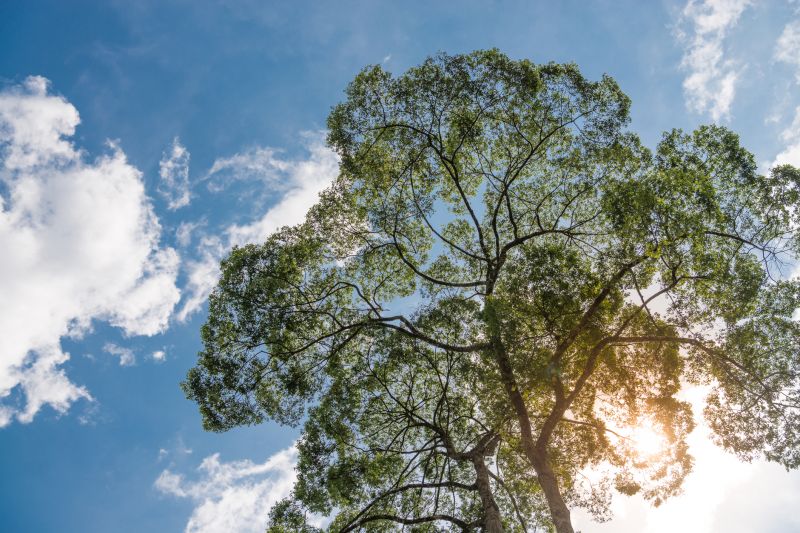
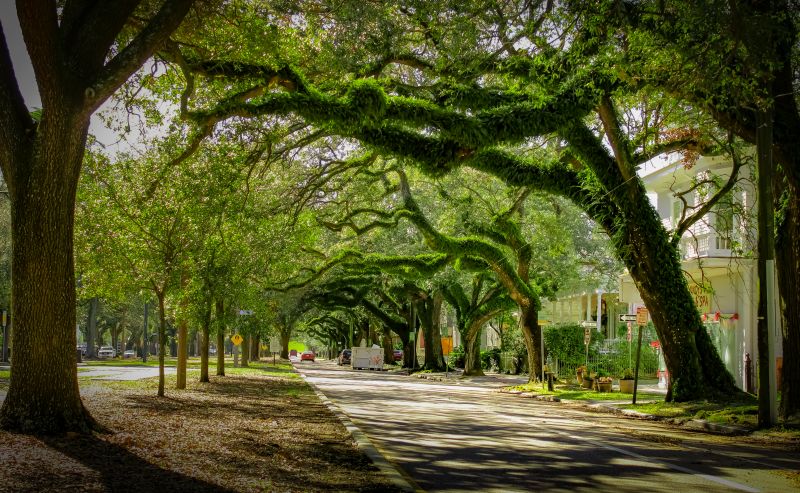
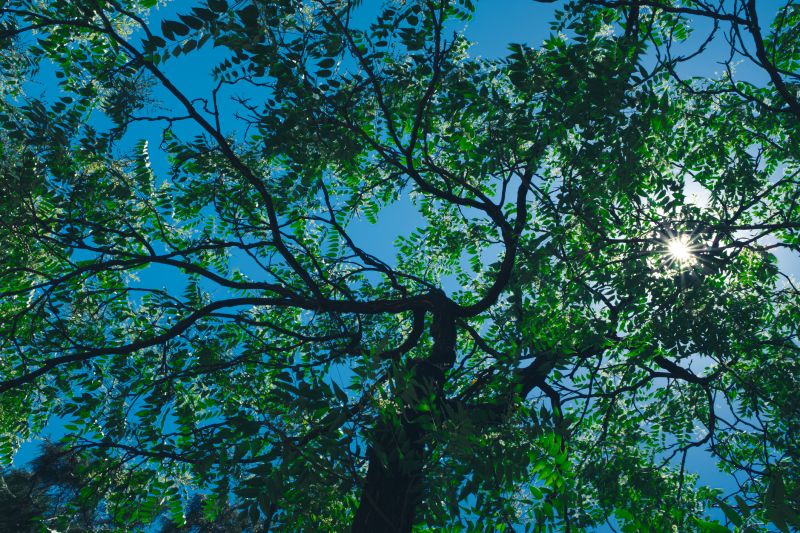
Tree canopy thinning services involve carefully reducing the density of branches and foliage in a tree’s upper layers to improve overall health and safety. This process typically includes selectively removing certain branches to allow more light to reach the tree’s interior and the ground below. Proper thinning can help prevent branches from becoming too heavy or crowded, which can lead to breakage or damage during storms. It also promotes better air circulation within the canopy, reducing the risk of fungal infections and other diseases that thrive in damp, crowded environments.
These services are often sought to address specific problems such as overgrown or congested canopies that may pose safety hazards. When branches become too dense, they can obscure views, interfere with power lines, or create a risk of falling debris. Thinning can also help mitigate the effects of storm damage by reducing wind resistance and the likelihood of large branches breaking off. Additionally, it can encourage healthier growth by reducing competition among branches for nutrients and sunlight, leading to a more balanced and resilient tree structure.
Properties that typically utilize canopy thinning include residential homes with mature trees, commercial properties with landscaped grounds, and public parks or community spaces. Homeowners may choose thinning to improve sightlines, enhance the appearance of their yard, or maintain safety around walkways and driveways. Commercial property managers often rely on thinning to keep trees safe near buildings and parking areas, while parks and municipalities use it to manage large urban trees responsibly. In all cases, professional contractors assess each tree’s condition to determine the appropriate amount of thinning needed for optimal health and safety.
Homeowners who notice their trees becoming overly dense, with branches that look heavy or tangled, may benefit from canopy thinning services. Signs such as reduced sunlight reaching the ground, increased debris from falling branches, or concerns about storm damage are indicators that professional intervention could be helpful. By working with experienced local contractors, property owners can ensure that their trees are managed properly, improving safety, health, and the overall appearance of their landscape. Contacting qualified service providers can help determine if canopy thinning is the right solution for specific tree care needs.
The overview below groups typical Tree Canopy Thinning projects into broad ranges so you can see how smaller, mid-sized, and larger jobs often compare in your area.
In many markets, a large share of routine jobs stays in the lower and middle ranges, while only a smaller percentage of projects moves into the highest bands when the work is more complex or site conditions are harder than average.
Small-scale Thinning - typical costs range from $250-$600 for many routine jobs involving selective removal of a few trees or branches. Most projects of this size fall within this middle range, with fewer jobs reaching the lower or higher ends.
Moderate Thinning - larger jobs that involve thinning multiple areas or larger trees generally cost between $600 and $1,500. These projects are common for property-wide canopy management but can vary based on tree density and size.
Extensive or Complex Jobs - large-scale projects such as significant canopy restructuring or thinning in difficult terrain can range from $1,500 to $3,500. Such jobs are less frequent and often involve more planning and equipment.
Full Canopy Replacement - complete removal and replacement of canopy cover can exceed $5,000, especially for extensive properties or high-value trees. These projects are less typical and involve comprehensive planning and labor costs.
Actual totals will depend on details like access to the work area, the scope of the project, and the materials selected, so use these as general starting points rather than exact figures.
Tree Trimming and Pruning - these services involve selective cutting of branches to improve tree health and structure, similar to canopy thinning techniques.
Urban Forestry Management - planning and implementing tree care programs in urban settings requires skills in canopy assessment and strategic thinning.
Landscape Tree Care - maintaining the aesthetic and health of trees within landscapes often includes canopy management and thinning practices.
Storm Damage Tree Removal - removing damaged or hazardous trees involves knowledge of tree structure and careful planning, akin to canopy thinning projects.
Tree Health Assessments - evaluating tree conditions to determine necessary interventions aligns with planning and executing thinning services.
Site Clearing and Land Preparation - clearing overgrown areas and preparing sites often involves selective tree removal and canopy management skills.
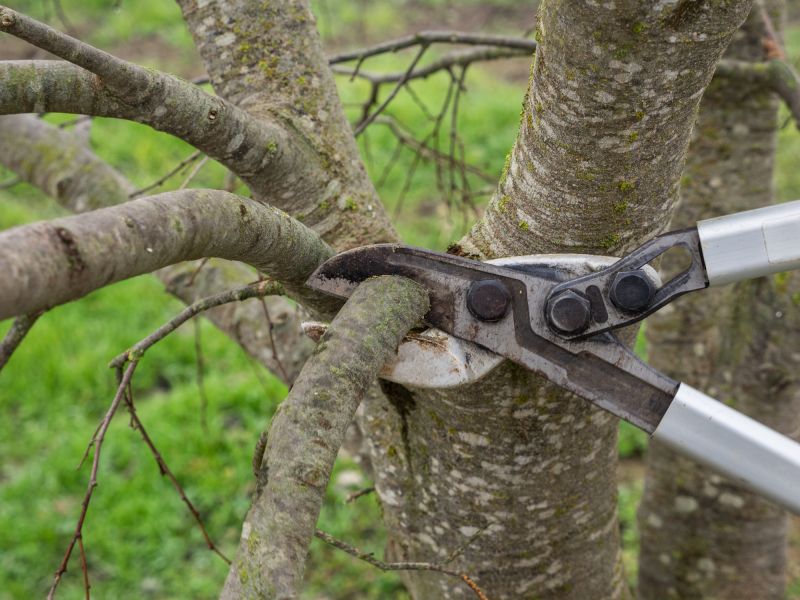
When comparing local contractors for tree canopy thinning services, it’s important to consider their experience with similar projects. An experienced professional will have a clear understanding of the best techniques and potential challenges specific to your tree types and landscape. Asking about their past work on projects comparable to yours can provide valuable insight into their familiarity with the scope and complexity of tree canopy management, helping to ensure the job is handled competently and efficiently.
Clear, written expectations are essential when evaluating potential service providers. A reputable contractor should be willing to provide detailed descriptions of the work they will perform, including the methods used and the extent of canopy thinning. This transparency helps prevent misunderstandings and ensures that both parties share a common understanding of the project’s goals and deliverables before any work begins.
Reputable references and strong communication are key indicators of a reliable local contractor. Speaking with previous clients can reveal how well the service provider manages projects, adheres to schedules, and addresses questions or concerns. Good communication throughout the process-such as prompt responses and clarity-can make the experience smoother and more predictable. It’s worth noting that this site introduces homeowners to local options that are capable of handling the work, but the actual project execution is carried out by the selected service providers.
Property owners use Tree Canopy Thinning services for practical projects around their homes and businesses. This guide focuses on everyday jobs and straightforward project options.
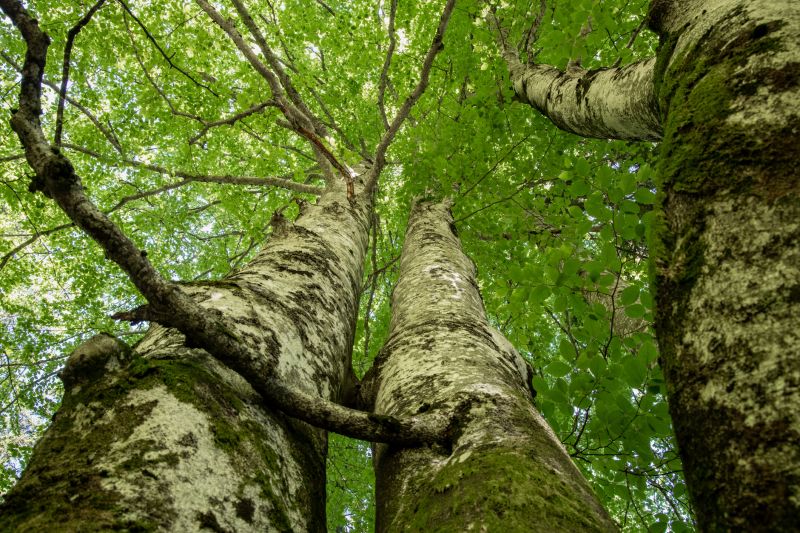
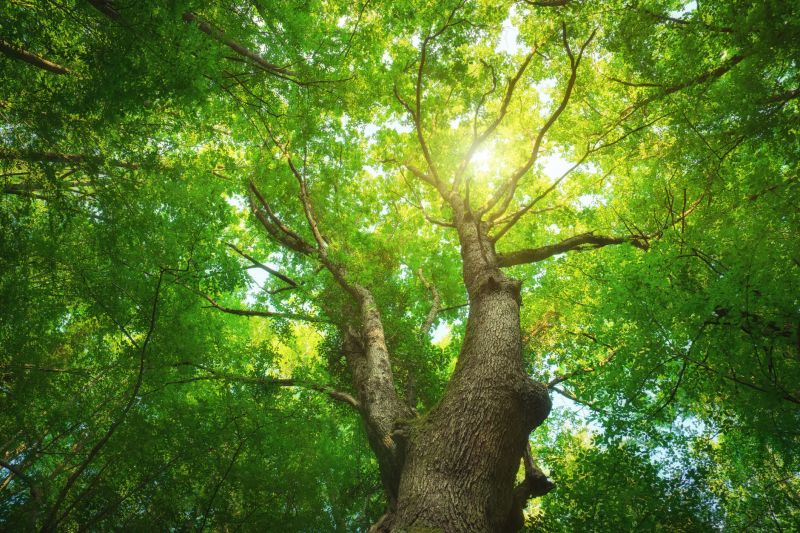
Tree canopy thinning services are often needed when property owners notice their trees becoming overcrowded or developing dense foliage that blocks sunlight. This can happen in situations where branches have grown too thick or tangled, making the trees less healthy or causing concern for nearby structures. Local contractors can assess these situations and provide thinning solutions to improve tree health, reduce weight, and promote better growth.
Additionally, property owners may seek canopy thinning services to prevent potential damage from falling branches during storms or high winds. Overgrown trees can pose safety risks or interfere with utility lines, driveways, and outdoor spaces. Local service providers can carefully trim and thin the canopy to maintain safety and enhance the overall appearance of the property.
What is tree canopy thinning? Tree canopy thinning involves selectively removing branches or foliage to reduce the density of a tree's upper layers, improving airflow and light penetration.
Why might someone need tree canopy thinning? This service can help reduce the risk of falling branches, improve tree health, or increase sunlight reaching the ground for landscaping purposes.
How do local contractors perform canopy thinning safely? They assess each tree individually, using proper techniques to carefully remove excess branches while maintaining the tree's stability and health.
Can canopy thinning benefit my property's landscape? Yes, thinning can enhance the appearance of trees, promote healthier growth, and allow more light for lawns and garden beds.
How do I find qualified professionals for canopy thinning services? This website helps connect with local contractors experienced in tree canopy thinning to handle the work professionally and safely.
Tree Canopy Thinning for Better Sunlight - Property owners can improve sunlight exposure on lawns and gardens by removing excess branches and thinning dense canopies.
Enhancing Viewpoints with Canopy Thinning - Thinning services can help open up views from windows or outdoor living areas, creating a more inviting space.
Reducing Tree Stress and Risk - Local contractors can help reduce the weight and wind resistance of trees, potentially lowering the risk of storm damage.
Preparing for Seasonal Changes - Canopy thinning can be part of seasonal maintenance to ensure trees remain healthy and safe throughout the year.
If you are thinking about Tree Canopy Thinning for a property, this guide is meant to help you understand the work, the typical project types, and how different options might fit your plans.
When you are ready, you can use the quote form on this page to share a few details about your project. From there, local pros can review the basics and respond with options that match what you have in mind.