Compare Local Contractors for Tree Crown Shaping Services
Compare local contractors for tree crown shaping to ensure clear scope, verified experience, and written expectations for a successful, well-managed project.
Tree crown shaping is a specialized service that involves pruning and trimming trees to improve their overall appearance, health, and safety. This work typically includes removing dead or diseased branches, thinning dense foliage to allow more light to pass through, and sculpting the canopy to achieve a desired aesthetic form. Proper crown shaping can enhance the visual appeal of a property while also reducing the risk of branches falling or causing damage during storms. When selecting a contractor for this work, it’s important to clearly define the scope of the project, including which trees or sections require shaping and the specific outcomes desired, to ensure the work aligns with expectations.
Defining the scope of tree crown shaping helps property owners communicate their needs effectively and avoid misunderstandings. A detailed scope might specify the extent of pruning, the types of cuts to be made, and any particular style or form to be achieved. Having this information in writing helps ensure that contractors understand the work involved and can provide accurate proposals. It also creates a clear reference point for any adjustments or questions that may arise during the project, making the process more transparent and manageable for all parties involved.
Comparing local contractors for crown shaping involves evaluating their experience, reputation, and how they approach scope definition. Property owners should look for service providers who have a track record of performing similar work in the area, and who are willing to discuss the project details thoroughly. Asking for references or examples of previous projects can provide insight into their capabilities. Additionally, reviewing how contractors specify the scope of work in their proposals helps identify those who prioritize clear communication and professionalism. By focusing on these factors, property owners can find service providers that meet their specific needs and ensure the work is completed to their satisfaction.
Compare local contractors by outlining your priorities, verifying experience, and clearly defining project expectations in writing.
- Compare Contractors - review multiple local service providers to find the best match for tree crown shaping needs.
- Define Scope Clearly - specify the desired shaping outcomes and work details to ensure understanding.
- Verify Experience - check the background and expertise of local contractors to assess their suitability.
- Document Expectations - put agreed-upon work scope and conditions in writing to prevent misunderstandings.
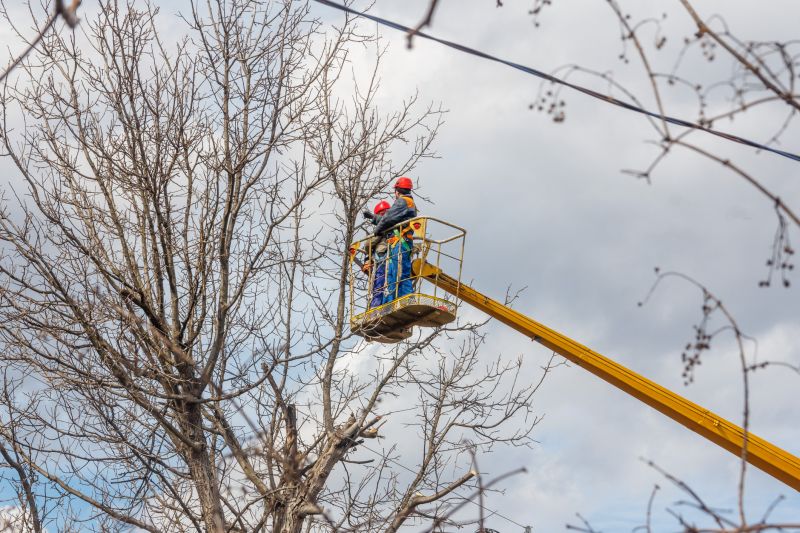
Before comparing contractors, clearly describe your tree crown shaping project to ensure accurate scope and expectations.
- Verify the contractor’s experience with tree crown shaping to ensure they have relevant skills for the job. - Review the scope of work and confirm it clearly defines the desired crown shape and pruning techniques.
- Compare multiple service providers to evaluate their approaches and ensure consistency with project expectations. - Ask for detailed descriptions of the methods they use for shaping and pruning trees.
- Check references or reviews to assess the quality of previous crown shaping projects completed by the contractor. - Ensure the contractor has a history of performing precise and professional crown shaping work.
- Discuss and document the specific shaping goals and techniques in writing to prevent misunderstandings. - Clarify the extent of pruning, shaping style, and any preservation considerations with the contractor.
- Ensure the contractor is aware of the importance of maintaining tree health during shaping procedures. - Confirm they follow best practices to avoid unnecessary damage or stress to the tree.
- Confirm that the scope of work, responsibilities, and expectations are clearly outlined in a written agreement. - This helps ensure all parties agree on the project details before work begins.
Compare local contractors' experience and clarify project scope to ensure a well-defined tree crown shaping plan.
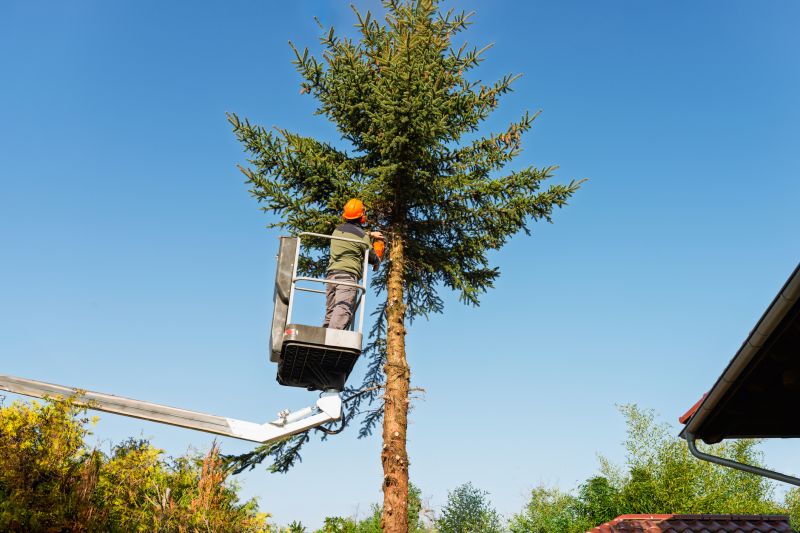


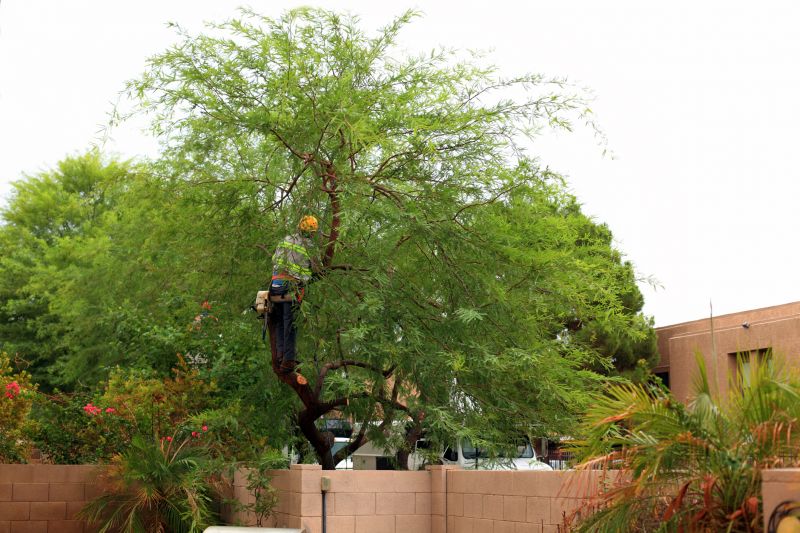
Use clear, consistent criteria to compare local contractors' scope, experience, and written expectations for tree crown shaping.
- Define the desired shape and size of the tree crown to establish clear project goals.
- Identify and compare local contractors experienced in crown shaping to evaluate their expertise.
- Specify the methods and techniques preferred for crown shaping to ensure alignment with expectations.
- Request detailed scope descriptions and work procedures to clarify the extent of the crown shaping services.
- Document all scope details and agreements in writing to facilitate transparent communication with service providers.
When comparing contractors for Tree Crown Shaping, it’s important to evaluate their experience with similar projects. Homeowners should inquire about the types of trees they have worked on and the scope of previous crown shaping jobs. Contractors with a history of handling trees comparable in size, species, and condition are more likely to understand the specific techniques and considerations necessary for successful outcomes. Gathering details about their past work can help ensure that the service provider has relevant experience tailored to the unique aspects of the project.
A clear, written scope of work is essential when assessing potential service providers. Homeowners should seek detailed descriptions of what the project entails, including specific tasks such as pruning techniques, the extent of crown shaping, and any safety measures. Having a well-defined scope helps prevent misunderstandings and provides a basis for comparing different contractors’ approaches. It also establishes clear expectations and ensures that all parties agree on the work to be performed before any work begins.
Verification of a contractor’s basic qualifications involves confirming their understanding of tree health and pruning standards, as well as their ability to deliver consistent results. Homeowners can ask for references or examples of completed projects to verify experience and quality. Additionally, requesting information about the contractor’s process for assessing trees and determining appropriate crown shaping techniques can provide insight into their professionalism and attention to detail. This verification helps ensure that the chosen service provider is capable of performing the work safely and effectively.
Evaluating options without focusing on prices involves comparing how contractors define the scope, their level of experience, and their approach to the project. Homeowners should consider how each service provider communicates their process, the level of detail in their proposals, and their ability to address specific concerns related to crown shaping. Asking questions about their methods and experience can reveal the contractor’s expertise and reliability. This approach allows homeowners to select a local contractor who aligns with their project needs based on qualifications and approach, rather than cost alone.
Request written scope details to ensure clear expectations and consistent understanding among service providers.
- Experience and Expertise - What specific experience do local contractors have with tree crown shaping projects?
- Scope of Work - How do contractors define and document the scope of the crown shaping services they provide?
- Methods and Techniques - What shaping techniques and tools do service providers typically use to achieve desired results?
- Communication and Expectations - How do local contractors clarify project expectations and ensure alignment before starting work?
- Comparison and Qualifications - What criteria should be used to compare contractors’ qualifications and determine their suitability for the job?
How can I find qualified contractors for tree crown shaping? To find qualified contractors, compare local service providers based on their experience, reputation, and reviews. It’s important to verify their expertise in crown shaping and ensure they understand your specific needs.
What should I consider when defining the scope of a tree crown shaping project? Clearly outline the desired shape, extent of pruning, and any specific aesthetic or health goals. Communicating these details helps contractors understand your expectations and plan accordingly.
How can I verify the experience of a tree crown shaping contractor? Review their past work, ask for references, and check how long they have been providing crown shaping services. Experienced contractors are more likely to deliver quality results.
What is the best way to compare different tree crown shaping service providers? Look at their scope of services, customer feedback, and the clarity of their communication. Comparing these factors helps identify the contractor that aligns with your project needs.
Why is it important to put project details in writing? Having a written agreement ensures that both parties understand the scope, expectations, and responsibilities, reducing the risk of misunderstandings during the project.
How can I ensure that a contractor understands my vision for tree crown shaping? Clearly communicate your desired shape and goals, and ask the contractor to confirm their understanding in writing. This helps set clear expectations before work begins.
Choosing the right contractor for tree crown shaping involves understanding how to compare local service providers, define the scope of work, verify their experience, and establish clear expectations in writing. This approach helps ensure the project aligns with specific needs and preferences, making it easier to find a suitable match among available options. Taking the time to assess these factors can lead to a more informed decision when selecting a contractor.
Utilizing the quote form allows visitors to explore and compare options within their area, facilitating connections with experienced local contractors. By providing details about the project, individuals can receive tailored information to help evaluate different service providers and make confident decisions based on their unique requirements.